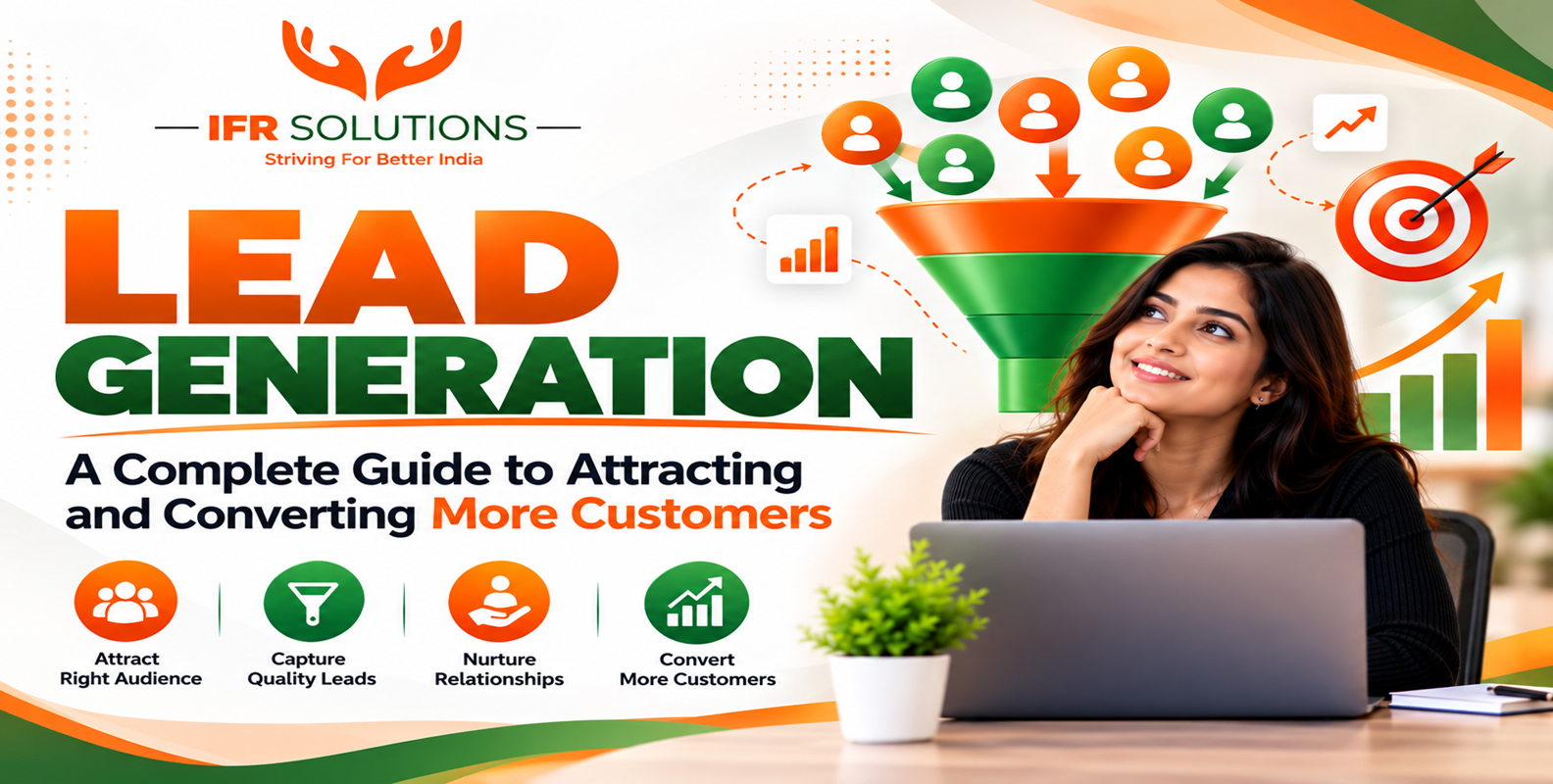
Lead Generation: A Complete Guide to Finding and Converting Potential Customers
Every business needs customers to grow. However, before anyone becomes a customer, they usually begin as a potential customer who shows interest in a product or service. This is where lead generation becomes essential.
Lead generation is the process of identifying people who may be interested in what your business offers and encouraging them to take the next step.
This step can be filling out a form, making an inquiry, calling your business, signing up for a service, or simply sharing their contact details.
For businesses of all sizes, having a consistent method to attract and engage potential customers can make the sales process more organized and effective.
What Is Lead Generation?
Lead generation is the process of attracting potential customers and gathering their information so that a business can communicate with them and eventually turn them into customers.
For instance, imagine someone visits your website and fills out a contact form to learn more about your services. That person has shown interest in your business and can now become a sales lead.
The goal is not just to collect as many leads as possible. The true aim is to attract relevant and interested prospects who have a real chance of becoming customers.
Why Is Lead Generation Important for Businesses?
Without a steady flow of potential customers, sales teams may have difficulty maintaining consistent business growth.
A well-planned lead generation strategy can help businesses:
- Reach potential customers
- Create awareness about products and services
- Build a sales pipeline
- Increase business inquiries
- Improve sales opportunities
- Understand customer interests
- Support long-term customer acquisition
It also allows sales teams to focus more time on people who have already shown some level of interest.
How Does Lead Generation Work?
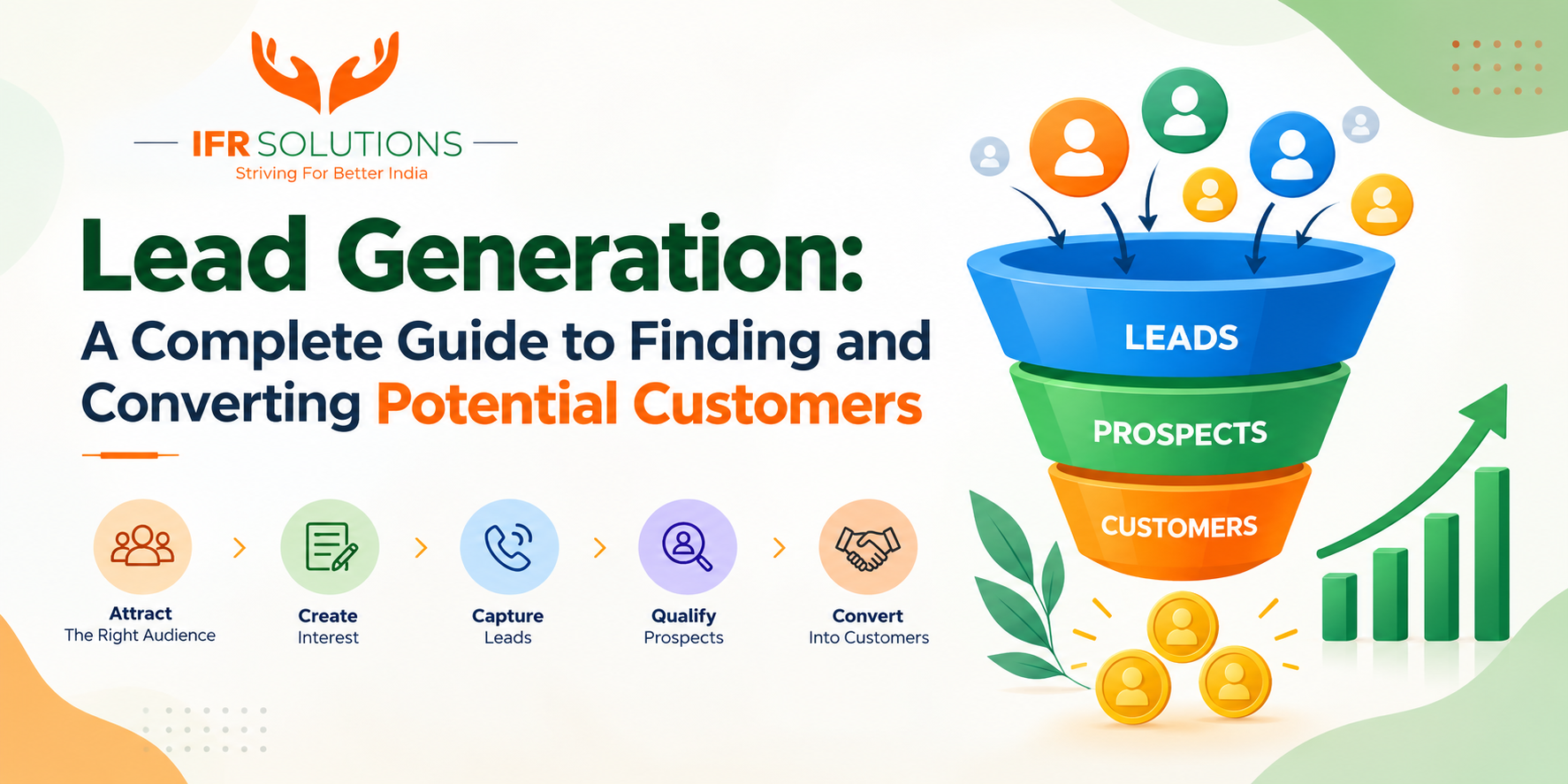
Lead generation generally follows a simple process. It involves attracting the right audience, creating interest, capturing their information, qualifying prospects, and following up with them.
1. Attract the Right Audience
The first step is reaching people who are likely to need your product or service.
Businesses can use websites, search engines, social media, advertisements, email campaigns, content marketing, and other channels to attract potential customers.
The key is to focus on the right audience rather than trying to reach everyone.
2. Create Interest
Once potential customers discover your business, the next step is to give them a reason to learn more.
Useful content, informative videos, helpful blogs, offers, case studies, and clear service information can help create interest.
Your communication should answer a simple question:
“Why should this person be interested in what we offer?”
3. Capture the Lead
After creating interest, businesses need an easy way for potential customers to contact them.
This can include:
- Website contact forms
- Phone calls
- WhatsApp inquiries
- Social media messages
- Email inquiries
- Landing pages
- Registration forms
The easier it is for people to contact you, the fewer opportunities you may lose.
4. Qualify the Lead
Not every lead is the same in terms of interest.
Some people may be ready to buy immediately, while others may just be researching their options.
Lead qualification helps businesses understand factors such as the person's requirements, budget, timeline, and level of interest.
This allows sales teams to prioritize their efforts and focus on the prospects who are more relevant to their business.
5. Follow Up
A lead does not always become a customer after the first conversation.
Consistent and relevant follow-ups can help keep the conversation active. However, follow-ups should provide value rather than simply asking, “Are you interested?”
A good follow-up may:
- Answer a question
- Provide additional information
- Explain the next step
- Address a concern
- Share relevant information or resources
Effective follow-up can help maintain communication and build stronger relationships with potential customers.
Common Lead Generation Strategies
Businesses can generate leads through various channels. The right approach depends on the target audience, industry, budget, and business goals.
Website and SEO
A website can attract potential customers who are actively looking for products or services.
Publishing useful and search-friendly content can help a business appear in relevant search results and bring organic traffic to its website.
A well-designed website should also make it easy for visitors to take the next step, such as filling out a form, making a call, or sending an inquiry.
Social Media
Platforms such as Instagram, Facebook, LinkedIn, and other social networks can help businesses connect with their target audience.
Regular content, educational posts, videos, advertisements, and direct communication can all contribute to generating inquiries.
The key is to create content that is useful and relevant to the audience rather than focusing only on promotional messages.
Paid Advertising
Paid advertising enables businesses to target specific groups of people based on factors such as interests, location, age, gender, or online behaviour.
Landing pages and lead forms can then be used to collect information from potential customers.
When planned properly, paid campaigns can help businesses reach a specific audience and generate targeted inquiries.
Tele-Calling
Tele-calling continues to be an important part of the sales process, especially when direct communication with prospects is needed.
A well-trained caller can understand what a prospect is looking for, answer their questions, assess whether they are a good fit, and plan the next step in the process.
Good communication is important because the first conversation can influence how a potential customer views a business.
Content Marketing
Articles, guides, videos, case studies, and other types of educational material can draw in people who are searching for solutions to specific problems.
Rather than pushing a product directly, this type of content helps businesses establish trust and begin meaningful conversations.
Useful content can also help demonstrate a company's knowledge and give potential customers more confidence before making a decision.
Lead Generation vs. Lead Conversion
Lead generation and lead conversion are related, but they are different.
Lead generation is about attracting and identifying people who might be interested in your product or service.
Lead conversion is about turning those interested people into actual customers.
For instance, if 100 people sign up for information about your service, they are considered leads.
The next step is to understand their needs, follow up, build trust, and support the right prospects in making a decision.
That's why businesses should consider the entire customer journey, not just the number of leads they generate.
Common Lead Generation Mistakes
Generating leads is crucial, but if the process is not handled properly, businesses can miss out on valuable opportunities.
Some frequent mistakes include:
1. Focusing Only on Quantity
Having a large number of leads does not always lead to better results.
If the leads are not relevant, sales teams may waste a lot of time without achieving meaningful results.
The focus should be on generating quality leads that match the business's target audience.
2. Slow Response Time
When someone shows interest, delaying the response can lead to lost opportunities.
A prompt and professional reply can help keep the conversation going and show potential customers that their inquiry is important.
3. Poor Follow-Up
Some leads may need several interactions before making a decision.
Stopping communication after one call can result in losing potential customers.
A structured follow-up process can help businesses stay connected with prospects without becoming overly aggressive.
4. Lack of Personalization
Using the same message for every prospect may make the communication feel impersonal.
Understanding a prospect's specific needs can make the interaction more relevant and effective.
Personalized communication shows that the business is listening and trying to understand the customer's situation.
Final Thoughts
Lead generation is an important part of building a consistent sales pipeline.
From attracting the right audience to capturing inquiries, qualifying prospects, following up, and eventually converting them into customers, every stage matters.
The goal should not simply be to generate more leads. Businesses should focus on generating the right leads, understanding their needs, responding effectively, and building relationships that can support long-term growth.
With the right strategy and consistent execution, businesses can create a more organized path from the first interaction to becoming a customer.
Related News